
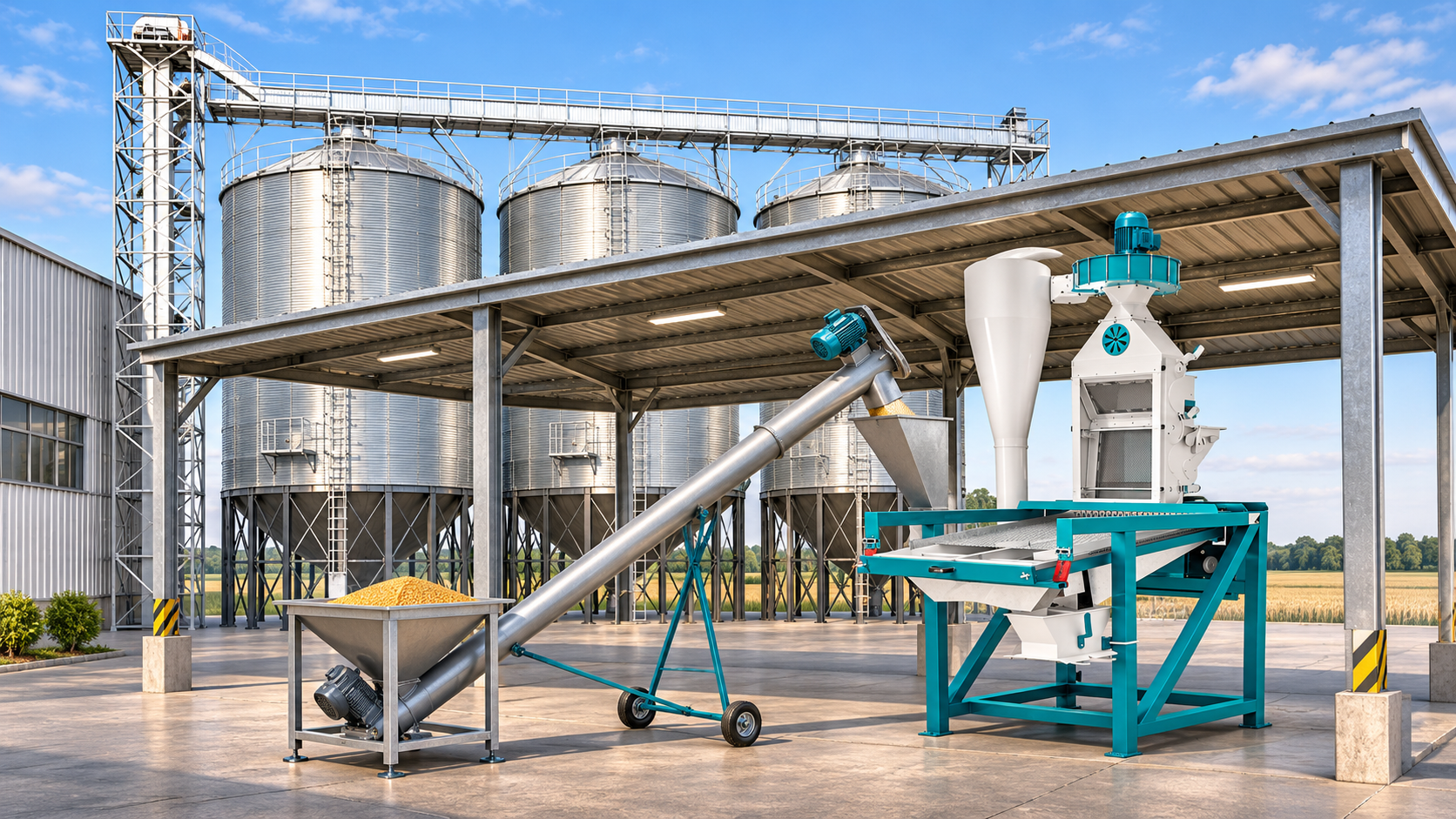
Every tonne of grain goes through a lot between the field and the mill. It gets tipped, lifted, conveyed, cleaned, dried, stored, weighed and loaded again, sometimes several times over. Each move is a chance to lose quality, waste time, or spill product. The right grain handling equipment is what keeps that from happening.
Whether you run a farm with a couple of silos, a maize mill, a feed plant or a busy grain terminal, the principle is the same: move grain gently, keep it clean and dry, and always know how much you have. This guide walks through the main types of grain handling equipment, what each one does, and how they work together as a complete system.
It’s written with input from FloMech, a Durban-based bulk handling specialist that has designed, supplied, and installed grain handling and industrial conveying systems since 1996. FloMech is also the South African agent for Kongskilde grain handling equipment.
Why grain handling equipment matters
It’s easy to think of grain handling as simply getting product from A to B. In reality, a grain operation has to do five jobs well:
- move grain between each stage of the process
- remove dust, chaff, stones and other foreign material
- dry grain to a safe moisture level so it doesn’t spoil
- store it securely, sometimes for months at a time
- weigh it accurately for stock control and sales
Get any one of those wrong and the costs add up quickly. Damp grain develops mould. Dirty grain gets downgraded or rejected. Slow, inefficient conveying creates bottlenecks at harvest, exactly when you can least afford them. And inaccurate weighing means you’re never quite sure what’s in the silo or what you’ve sold.
Good equipment, properly matched to your volumes and layout, protects the value of the crop you’ve already worked hard to grow.
Mechanical conveying systems
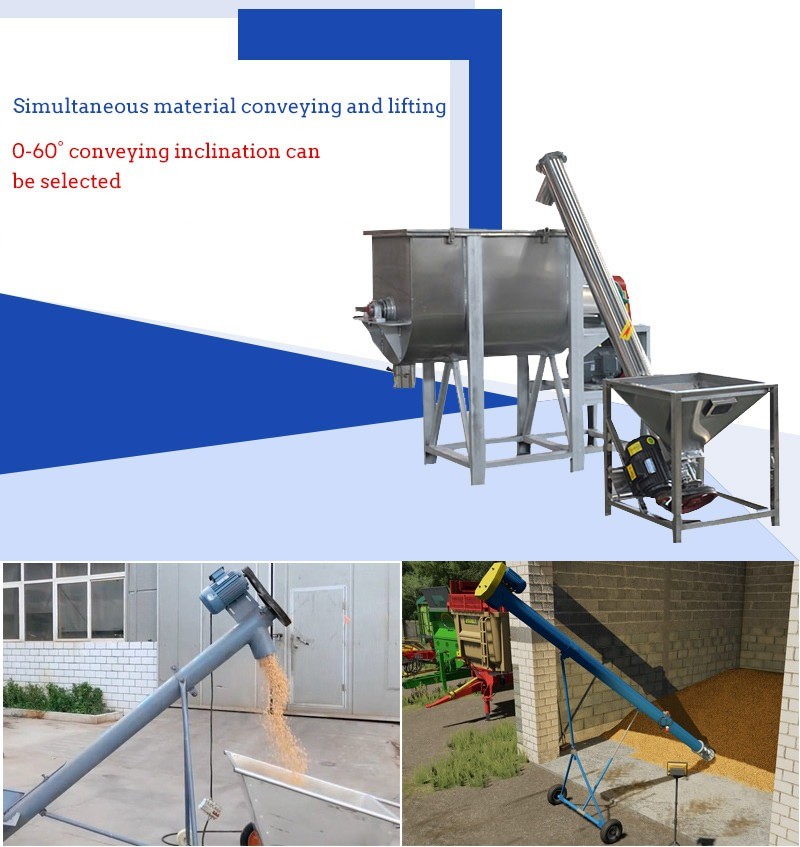
Mechanical conveyors are the workhorses of most grain facilities. They physically carry grain using rotating screws, belts, chains, or buckets, typically moving it from intake to cleaning, from the dryer to storage, or from a silo to a loading point.
They’re popular for good reason. Mechanical conveyors run continuously, handle high volumes, withstand heavy daily use, and slot fairly easily into an existing layout. The main types you’ll come across are:
- Screw conveyors (augers): the go-to for moving grain horizontally or up an incline over shorter distances.
- Bucket elevators: lift grain vertically, for example from a pit up to the top of a silo.
- Chain conveyors: move large volumes horizontally and are common along the top and bottom of silo rows.
- Belt conveyors: the gentlest option over long distances, which helps limit kernel damage.
FloMech supplies mechanical conveying systems for farms, mills, and processing plants, sizing them to suit each site’s layout and throughput rather than offering a one-size-fits-all unit.
Grain cleaners
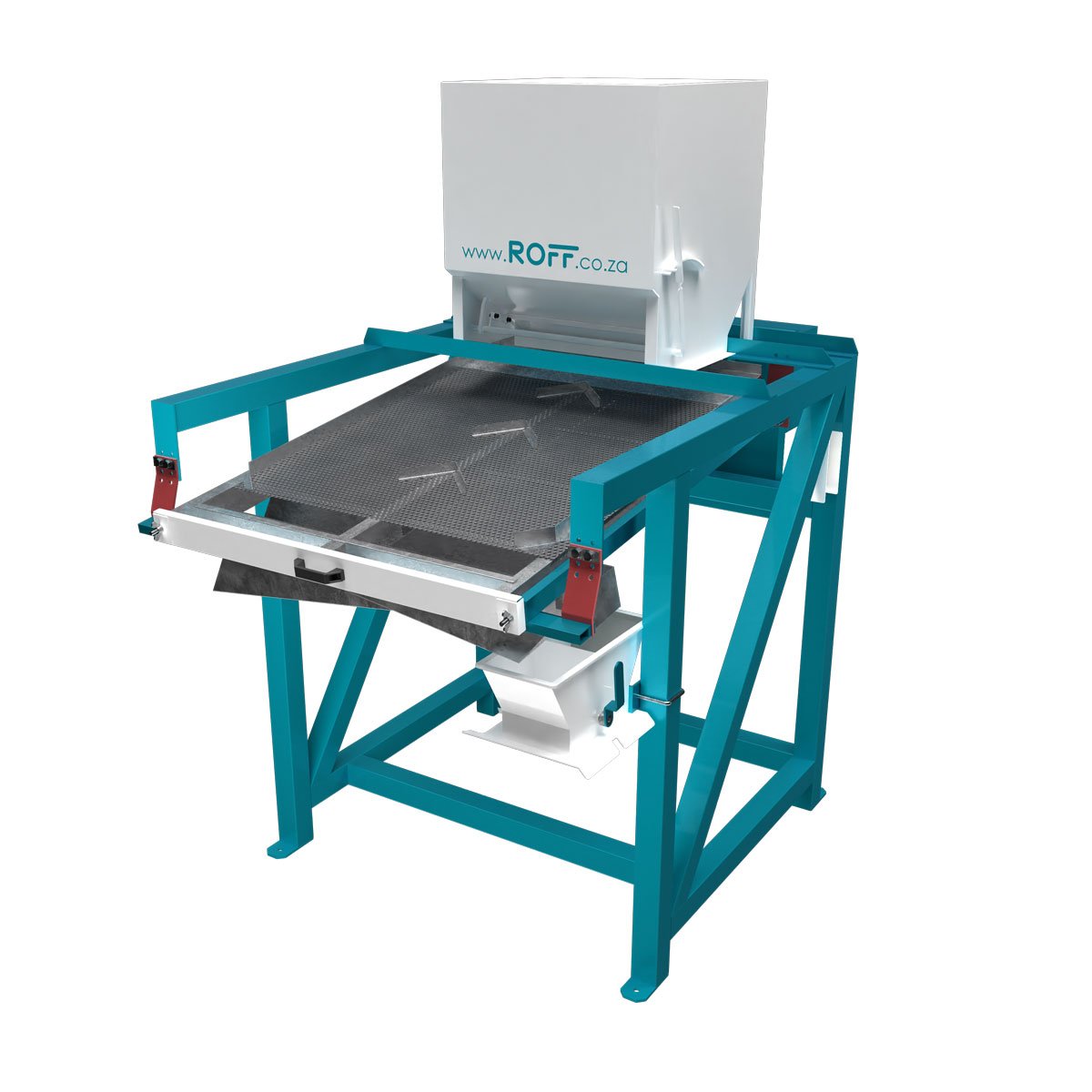
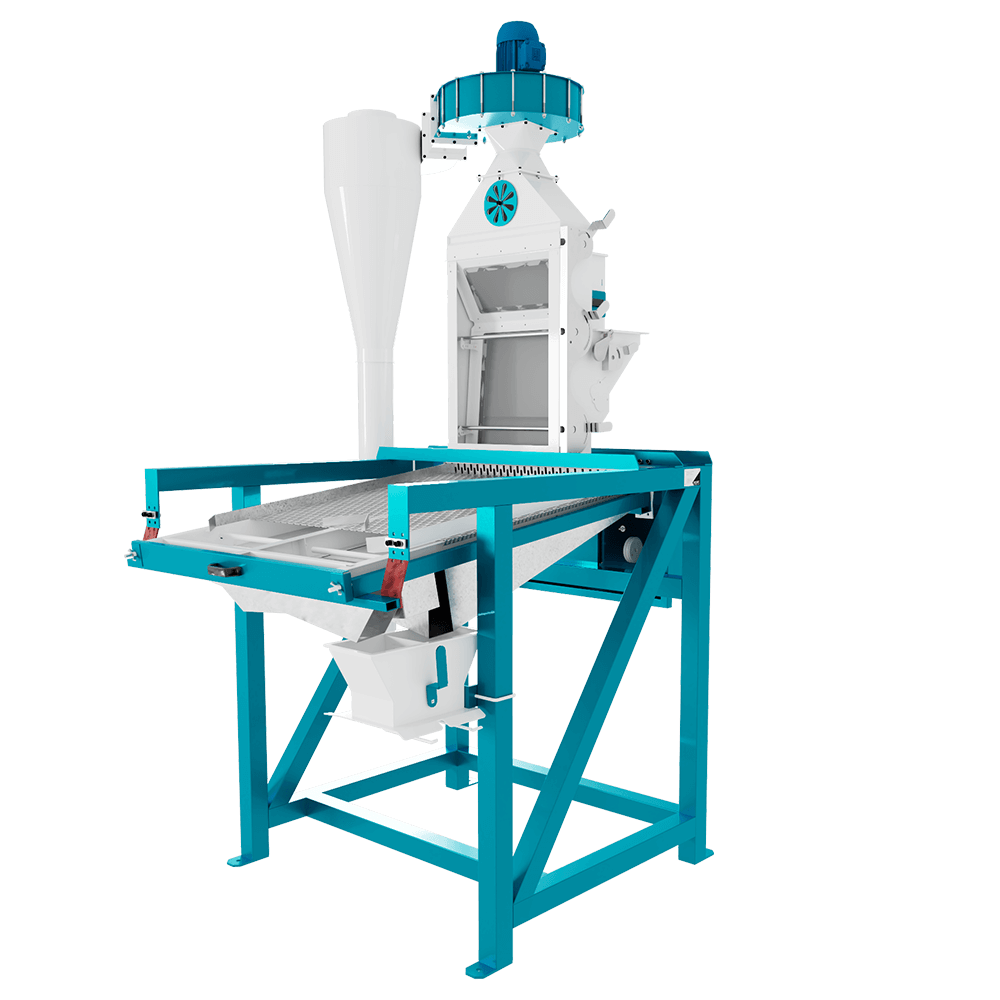
Grain rarely arrives clean. A load straight off the field can contain dust, stones, husks, weed seeds, broken kernels and the odd bit of metal. Cleaning it before storage or processing matters for two reasons: it improves the quality and safety of the final product, and it protects your downstream equipment from unnecessary wear and damage.
Cleaners separate grain from impurities based on differences in size, weight and how particles behave in moving air. Common technologies include:
- vibrating screens
- air aspirators
- rotary drum cleaners
- gravity separators
Many machines combine two or more of these. For example, a screen followed by an aspirator removes both oversized debris and light dust in a single pass.
FloMech supplies grain cleaners for agricultural and milling applications. Cleaning is especially important in maize milling, animal feed production, food processing and export operations, where buyers and regulators set strict quality limits.
Grain dryers
Freshly harvested grain is often too wet to store safely. Leave it that way and mould and microbial growth can set in within days. Wet grain also generates heat in the bin, which spreads the damage and knocks down the value of the whole batch.
A grain dryer brings moisture down to a safe storage level. The right type depends mostly on how much grain you need to get through:
- Batch dryers: dry one load at a time and suit smaller farms and operations.
- Continuous-flow dryers: keep grain moving through the dryer and suit larger, high-throughput sites.
- Tower dryers: tall drying columns built for very large volumes.
FloMech supplies grain dryers that remove moisture efficiently without overheating or cracking the kernel, so farmers and processors can store their harvest for longer with confidence.
Pneumatic conveying systems
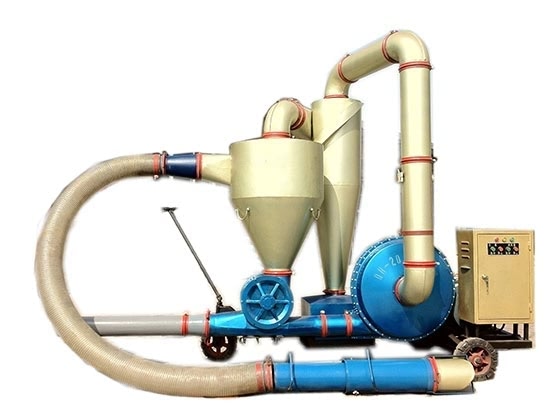
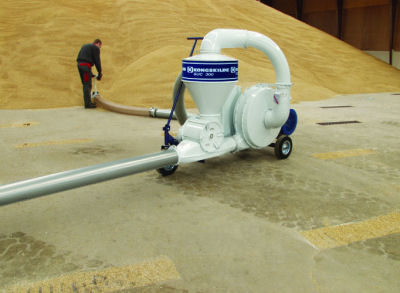
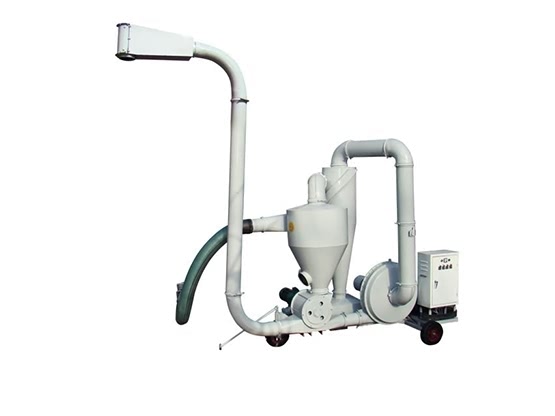
Pneumatic conveyors take a different approach. Instead of carrying grain on a screw or belt, they use air pressure or vacuum to push or pull it through a sealed pipeline.
That makes them a strong choice when space is tight, when the route has lots of bends, or when grain needs to travel a long way. Because everything happens inside a closed pipe, there’s also far less dust and less risk of contamination. Key benefits include:
- flexible layouts that can work around existing buildings and equipment
- enclosed, more hygienic transport
- reduced dust in and around the facility
- the ability to move grain over long distances
A typical system consists of a blower, an injector or rotary valve, suction heads, and a network of pipes. FloMech offers pneumatic conveying equipment including high-pressure blowers, injectors and suction blowers, with systems capable of loading trucks at up to 120 tonnes per hour.
Pneumatic conveying isn’t limited to grain, either. The same technology moves powders, pellets, plastics and other bulk materials.
Grain storage equipment
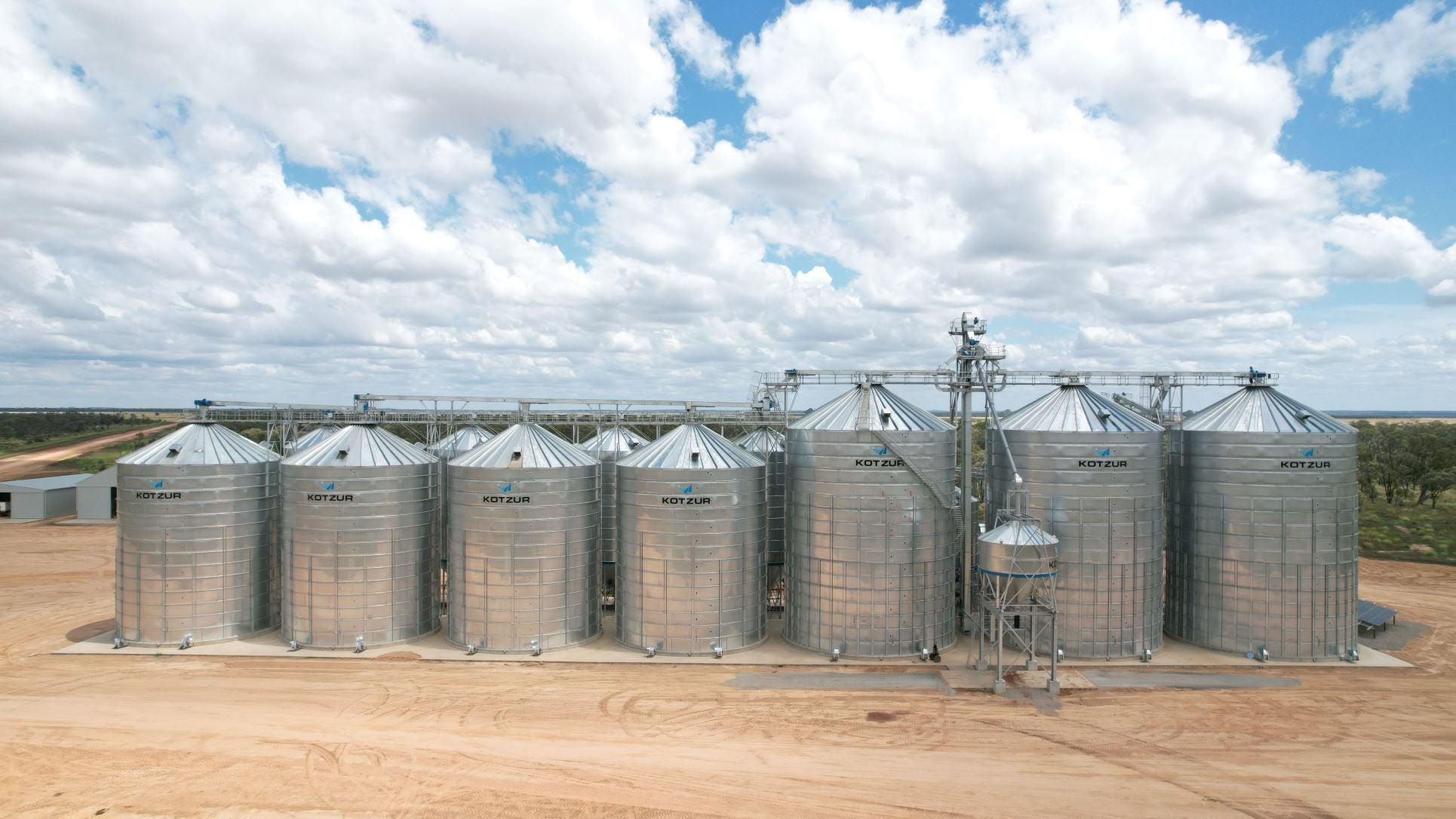
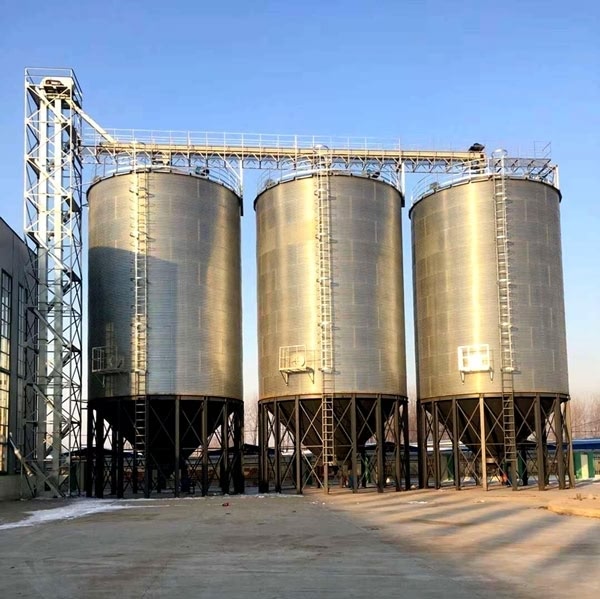
Once grain is clean and dry, it needs somewhere safe to wait until it’s milled or sold. Good storage keeps out pests, moisture, and temperature swings that would otherwise reduce quality.
The most common storage options are:
- steel storage silos
- grain bins
- hopper-bottom bins
- flat storage sheds
Most silos include extras that help keep grain in good condition, such as aeration fans, temperature monitoring cables, discharge systems, and dust control.
FloMech supplies storage equipment for bulk grain facilities, including fabricated steel silos for large volumes. These are widely used at grain terminals, milling plants and on-farm storage sites. When set up properly, they keep grain stable and marketable for extended periods.
Grain weighers
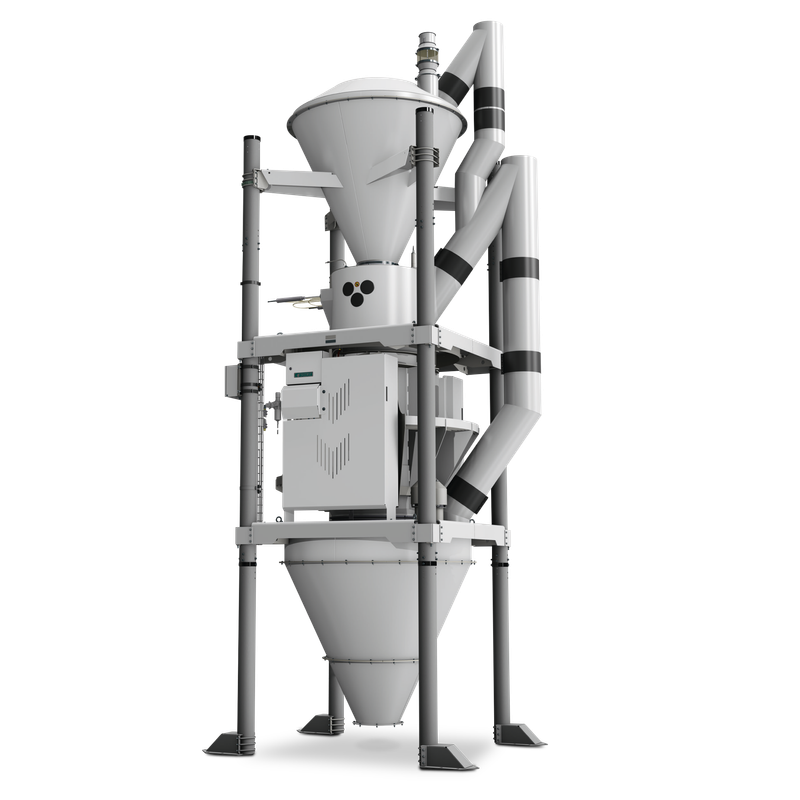
You can’t manage what you don’t measure. Grain weighers record exactly how much product is moving through your system, which feeds into:
- stock and inventory control
- process control
- quality assurance
- buying and selling grain
The main types are hopper scales, batch weighers and continuous weighing systems. They’re usually installed in-line between conveyors, dryers and storage, so grain is weighed as it moves rather than in a separate step.
FloMech supplies grain weighing systems designed to integrate with the rest of a handling installation, giving operators accurate figures and better control over the whole plant.
Putting it together: complete grain handling systems
In practice, none of this equipment works in isolation. A typical grain facility links everything into one flow:
- Grain is delivered to the intake.
- Mechanical or pneumatic conveyors carry it to the cleaner.
- The cleaner removes impurities.
- The dryer brings moisture down to a safe level.
- Grain goes into silos or bins for storage.
- It’s weighed and conveyed out for sale or processing.
The difference between a system that runs smoothly and one that’s always causing headaches usually comes down to design: matching capacities so no stage becomes a bottleneck, planning the layout properly, and choosing equipment that suits the grain and the volumes involved.
That’s where FloMech’s engineering side comes in. Beyond supplying equipment, the team handles system layout design, CAD flow diagrams and full turnkey installations tailored to each customer. Their systems are used across agriculture, milling, food production, packaging and chemical processing.
Who uses grain handling equipment?
- Farms: Farmers rely on conveyors, dryers and silos to get the harvest in quickly and store it safely until the price is right.
- Mills: Maize and wheat mills depend on cleaning, conveying and weighing systems to turn grain into flour, meal and feed.
- Food processors: Food manufacturers handle maize, rice, barley and other grains as raw ingredients every day.
- Animal feed producers: Feed plants use grain-handling equipment to receive, blend, and process ingredients for livestock feed.
- Grain terminals and exporters: Terminals run large-scale conveying and storage systems to load ships and move grain to markets worldwide.
Where grain handling technology is heading
Grain handling keeps evolving, mostly towards doing more with less labour and energy. The trends worth watching include:
- more automation across intake, conveying and loading
- energy-efficient conveyors and fans
- better dust control for safer, cleaner sites
- sensors that monitor temperature and moisture inside silos in real time
- software that ties the whole facility together on one dashboard
For operators, the payoff is lower running costs, better grain quality and fewer surprises.
Frequently asked questions
What is grain handling equipment?
Grain handling equipment is the machinery used to move, clean, dry, store and weigh grain. It includes conveyors, bucket elevators, pneumatic conveyors, grain cleaners, dryers, silos and weighers.
What’s the difference between mechanical and pneumatic grain conveyors?
Mechanical conveyors move grain with screws, belts, chains or buckets and are ideal for high, steady volumes on fixed routes. Pneumatic conveyors use air to move grain through sealed pipes, which suits tight spaces, complicated routes, long distances and operations where dust control matters.
Why does grain need to be dried before storage?
Grain that’s too wet can grow mould and heat up in storage, damaging quality and lowering its value. Drying reduces moisture to a safe level, so it can be stored longer.
Can FloMech design a complete grain handling system?
Yes. In addition to supplying individual machines, FloMech designs and installs complete turnkey systems, including layout design and CAD flow diagrams.
Choosing the right grain handling equipment
Conveyors, cleaners, dryers, silos and weighers each play their own part, but the real gains come from making them work together. A well-designed grain handling system moves product efficiently, protects its quality, and gives you accurate numbers at every stage.
If you’re planning a new facility, expanding capacity or replacing equipment that’s holding you back, FloMech can help you choose the right equipment and design a system around your operation. Contact the team to talk through your requirements.